2024年4月2日星期二

Optimizing Electric Forklift Performance: A Guide to Charging Frequency

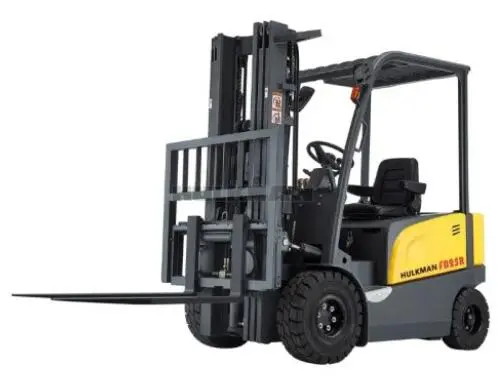
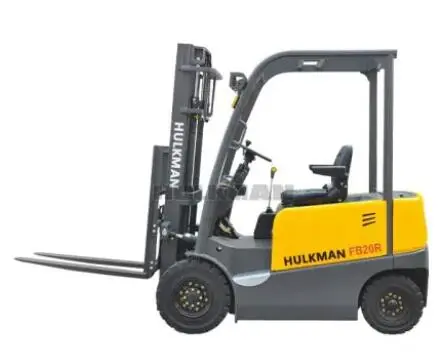
Electric forklifts have become indispensable in modern warehouses and industrial settings, offering environmental sustainability and operational efficiency. One crucial aspect of maintaining these electric vehicles is determining the optimal charging frequency. In this article, we'll explore the factors influencing how often you should charge an electric forklift to ensure peak performance and longevity.
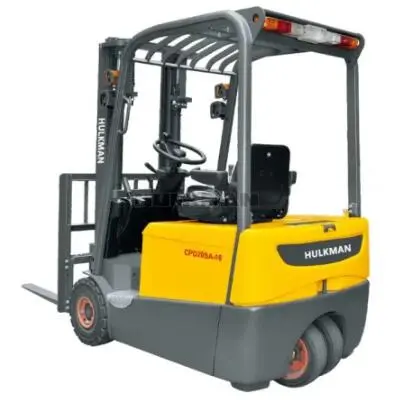
 

Electric forklift


Battery Chemistry and Capacity


Understanding the battery chemistry and capacity of your electric forklift is fundamental to establishing an appropriate charging schedule. Forklifts typically use lead-acid or lithium-ion batteries, each with its own set of characteristics.

Lead-Acid Batteries:
Lead-acid batteries are known for their affordability and reliability. However, they require a complete recharge after approximately 8 hours of use. To maximize their lifespan, it's essential to avoid deep discharges and implement a routine charging schedule.

Lithium-Ion Batteries:
Lithium-ion batteries offer longer lifespans and faster charging times compared to lead-acid batteries. They can withstand partial charging cycles and have no memory effect. Lithium-ion forklifts may be charged more frequently without compromising performance.


Operational Factors


The frequency of forklift usage directly influences the charging requirements. Consider the operational demands, including the number of daily shifts, the duration of each shift, and the average distance covered. Forklifts used intensively may require more frequent charging to prevent battery depletion during critical tasks.


Monitoring Battery State of Charge (SOC)


Implementing a regular monitoring system for the Battery State of Charge (SOC) is crucial. Regular checks allow operators to gauge how much charge remains in the battery, enabling timely recharging before it reaches critically low levels. This practice enhances overall battery health and ensures consistent forklift performance.


Charging During Breaks and Shift Changes


To optimize workflow and minimize downtime, consider integrating charging into breaks or shift changes. This strategy allows forklifts to receive a quick charge without disrupting operational processes. Implementing strategically timed charging sessions can contribute to a seamless workflow and maintain a consistent level of productivity.


Temperature Considerations


Battery performance is sensitive to temperature variations. Extreme cold or hot conditions can impact charging efficiency and overall battery life. It's advisable to store and charge electric forklifts in temperature-controlled environments to mitigate these effects.


Implementing Opportunistic Charging


Opportunistic charging involves topping up the battery whenever the forklift is not in active use. This approach helps maintain a consistently high charge level, reducing the likelihood of deep discharges and extending battery life. Opportunistic charging is particularly effective for lithium-ion batteries.


Conclusion


Determining how often to charge an electric forklift involves a nuanced consideration of battery chemistry, operational factors, and environmental conditions. Regular monitoring, strategic charging during breaks, and opportunistic charging are all strategies that contribute to optimal forklift performance and longevity.

For efficient forklift operation and longevity, it's essential to tailor the charging frequency to the specific needs of your fleet. By implementing these strategies, you can ensure that your electric forklifts operate at their best, contributing to a smooth and productive workflow in your industrial setting.

If you have further questions about electric forklifts or need to connect with a reliable supplier, don't hesitate to contact us. Our team is ready to assist you in finding the best solutions for your material handling needs. Choose a trusted supplier for your electric forklifts to ensure the highest quality and performance.

2024年3月14日星期四

How Many Hours Does an Electric Forklift Battery Last?

Electric forklifts have become essential in various industries for their efficiency and eco-friendly operation. One critical aspect that operators and fleet managers often inquire about is the lifespan of the electric forklift battery. Understanding the factors influencing battery life and knowing how to optimize usage is crucial for maintaining productivity in material handling operations.


The Basics of Electric Forklift Batteries


Electric forklift


Electric forklifts are powered by rechargeable batteries, typically lead-acid or lithium-ion. The longevity of these batteries depends on various factors, including the type of battery, the frequency of use, maintenance practices, and environmental conditions.


Factors Influencing Battery Lifespan


Several key factors impact the lifespan of an electric forklift battery:

1. Type of Battery: Lead-acid and lithium-ion batteries have different lifespans. Lithium-ion batteries generally last longer and require less maintenance compared to traditional lead-acid batteries.

2. Usage Patterns: The frequency and intensity of forklift usage play a significant role. Batteries used in multi-shift operations will have a different lifespan than those used in single-shift operations.

3. Charging Practices: Proper charging is crucial for battery health. Overcharging or undercharging can lead to premature degradation. Employing intelligent charging systems and following manufacturer guidelines is essential.

4. Maintenance: Regular maintenance, including cleaning battery terminals and ensuring proper ventilation, contributes to extended battery life. Monitoring water levels in lead-acid batteries and addressing issues promptly is vital.


Typical Battery Lifespan


The lifespan of an electric forklift battery can vary. On average, lead-acid batteries last approximately 1,500 to 2,000 charging cycles, equivalent to around five years with proper care. Lithium-ion batteries can last up to 3,000 cycles or more, providing a longer overall lifespan.


Optimizing Battery Performance


To maximize the hours an electric forklift battery lasts, operators and fleet managers can take several proactive measures:

1. Scheduled Maintenance: Implementing a routine maintenance schedule, including regular inspections and cleaning, ensures optimal battery performance.

2. Proper Charging: Adhering to recommended charging practices and utilizing advanced charging technologies helps prevent overcharging and undercharging.

3. Monitoring Usage: Keeping track of forklift usage patterns allows for adjustments in operation to optimize battery life.


Contact Us for Expert Guidance


For more information on maximizing the lifespan of electric forklift batteries or to inquire about battery replacement options, feel free to contact us. Our team of experts is ready to provide guidance tailored to your specific needs.

Choosing the right battery supplier is crucial for ensuring quality and reliability. We, as your trusted supplier, are committed to delivering top-notch electric forklift batteries that meet the demands of your material handling operations.

2024年2月26日星期一

Can You Leave Electric Forklift Charging Overnight?

Electric forklifts have become a popular choice in various industries, offering environmental sustainability, cost savings, and enhanced performance. However, questions often arise about the best practices for charging these electric forklifts, particularly regarding leaving them plugged in overnight. In this article, we will explore the considerations and potential impacts of leaving electric forklifts charging overnight.


Understanding Electric Forklift Batteries


Electric Forklift


1. Battery Composition and Charging Process

Electric forklifts are powered by rechargeable batteries, typically composed of lead-acid or lithium-ion. The charging process involves transferring electrical energy to the battery, which is then used to power the forklift. The charging time varies depending on the battery type and its capacity.

2. Overcharging Concerns

One common concern related to leaving electric forklifts charging overnight is the potential for overcharging. Overcharging can lead to increased heat generation, which, in turn, can affect the longevity and performance of the battery. Modern electric forklift chargers, however, are often equipped with features to prevent overcharging.


Factors to Consider


1. Charger Features

The type of charger used plays a crucial role in determining whether leaving an electric forklift charging overnight is advisable. High-quality chargers often include features such as automatic shut-off or maintenance charging modes to prevent overcharging.

2. Battery Type

The type of battery in the electric forklift is another important consideration. Lead-acid batteries are more susceptible to overcharging, whereas lithium-ion batteries are generally more resilient and can handle extended charging times more effectively.


Best Practices


1. Follow Manufacturer Recommendations

The manufacturer's guidelines and recommendations for charging should be strictly followed. These guidelines often provide specific instructions regarding charging times, intervals, and any precautions to be taken.

2. Scheduled Charging

Implementing a scheduled charging routine, which involves charging the forklift at specific times during breaks or shift changes, can help prevent unnecessary overnight charging. This ensures that the forklift is ready for operation when needed without the risk of overcharging.


Potential Impact on Battery Life


1. Heat Generation

Continuous charging, especially without adequate cooling periods, can generate heat within the battery. Excessive heat can contribute to accelerated degradation of the battery, reducing its overall lifespan.

2. Battery Maintenance

Regular maintenance, including monitoring water levels in lead-acid batteries and ensuring proper ventilation, is crucial for preserving the health of the forklift battery. Neglecting maintenance practices can result in reduced performance and a shorter battery life.

Conclusion

In conclusion, whether you can leave an electric forklift charging overnight depends on various factors, including the charger features, battery type, and adherence to best practices. While modern chargers are designed to mitigate the risks of overcharging, it is essential to follow manufacturer recommendations and implement scheduled charging routines to ensure the longevity and optimal performance of the forklift battery.

If you have specific questions about charging practices for electric forklifts or are looking for high-quality forklifts and accessories, please feel free to contact us. As a reputable supplier, we are committed to providing the information and products needed to support your material handling operations.

2024年1月31日星期三

What is the Advantage of Electric Forklift?

Forklifts are essential tools in various industries, facilitating the efficient movement of materials within warehouses and factories. One key decision faced by businesses is choosing between electric and traditional fuel-powered forklifts. In this article, we will explore the advantages of electric forklifts and why they are becoming an increasingly popular choice in the material handling landscape.


Electric Forklift


Environmental Sustainability


1. Zero Emissions

One of the standout advantages of electric forklifts is their eco-friendly nature. Unlike their fuel-powered counterparts, electric forklifts produce zero emissions during operation. This not only contributes to a cleaner working environment but also aligns with the growing emphasis on sustainability in modern business practices.

2. Lower Noise Levels

Electric forklifts operate with significantly lower noise levels compared to their diesel or propane counterparts. This reduction in noise pollution can be particularly advantageous in indoor settings where a quieter working environment is desired.


Cost Savings


1. Lower Operating Costs

Electric forklifts generally have lower operating costs than their fuel-powered counterparts. They benefit from lower fuel costs, as electricity is often more cost-effective than diesel or propane. Additionally, electric forklifts have fewer moving parts, reducing maintenance and repair expenses over the long term.

2. Energy Efficiency

Electric forklifts are more energy-efficient, converting a higher percentage of electrical energy into usable power. This efficiency translates into longer operating hours per battery charge, allowing for continuous operation without the need for frequent recharging.


Performance and Versatility


1. Smooth Operation

Electric forklifts offer smoother and more precise control during operation. This is particularly beneficial for tasks that require delicate handling of materials or navigating through tight spaces. The precise control also contributes to enhanced safety in the workplace.

2. Versatility in Indoor Applications

Electric forklifts are well-suited for indoor applications due to their zero-emission operation and low noise levels. This makes them ideal for warehouses, distribution centers, and manufacturing facilities where indoor air quality and noise control are crucial considerations.


Government Incentives


Incentives for Green Technology

Many governments and municipalities offer incentives for businesses that adopt green technologies, including electric forklifts. These incentives may come in the form of tax credits, grants, or other financial benefits, providing an additional advantage for businesses looking to make environmentally conscious choices.


Conclusion


In conclusion, the advantages of electric forklifts make them a compelling choice for businesses seeking to enhance both their operational efficiency and environmental sustainability. From zero emissions and lower operating costs to improved performance and government incentives, electric forklifts offer a range of benefits that align with the evolving needs of modern industries.

If you are considering incorporating electric forklifts into your material handling operations or have questions about our products, please do not hesitate to contact us. As a reliable supplier, we are committed to providing solutions that meet your specific requirements and contribute to the success of your business.

2023年12月24日星期日

Troubleshooting Guide: Why Is My LPG Forklift Not Starting?

LPG (liquefied petroleum gas) forklifts are renowned for their efficiency, versatility, and reliable performance. However, like any machinery, they can experience issues that lead to a frustrating situation when the engine refuses to start. When faced with a non-starting LPG forklift, understanding the potential causes and employing effective troubleshooting steps can save time, effort, and potentially costly repairs.


LPG Forklift


1. Fuel Supply Issues:


Problem: Inadequate or incorrect fuel supply is a common reason for a forklift's failure to start. This can occur due to an empty or low LPG tank or a malfunctioning fuel regulator.

Solution: Check the LPG tank gauge to ensure there is an adequate supply of fuel. Verify that the tank valve is open. If the tank is full and the valve is open, inspect the fuel regulator for any signs of damage or blockage. If necessary, replace the regulator or consult a professional technician.


2. Battery Troubles:


Problem: A weak or dead battery can prevent the forklift's ignition system from functioning properly, resulting in a no-start situation.

Solution: Check the battery terminals for corrosion, looseness, or tightness. Ensure that the battery connections are secure. If the battery is low on charge, attempt jump-starting the forklift using jumper cables connected to another functioning vehicle. If the battery is old or consistently failing, consider replacing it with a new one.


3. Ignition System Malfunction:


Problem: Problems with the ignition system, such as a faulty ignition switch, damaged spark plugs, or a malfunctioning ignition coil, can prevent the engine from starting.

Solution: Inspect the ignition switch for any signs of damage or wear. Test the spark plugs by removing them and checking for signs of fouling, wear, or damage. If needed, replace the spark plugs and ensure they are properly gapped. Test the ignition coil for continuity using a multimeter, and replace it if it's faulty.


4. Choke and Carburetor Issues:


Problem: Incorrect choke settings or carburetor blockages can lead to difficulty starting the engine, especially in colder conditions.

Solution: Check the choke adjustment to ensure it's properly set for starting. Clean the carburetor to remove any dirt, debris, or varnish buildup that might be obstructing fuel flow. If the carburetor is severely clogged or damaged, it might need professional cleaning or replacement.


5. Safety Interlocks and Sensors:


Problem: Modern forklifts are equipped with various safety interlocks and sensors that prevent the engine from starting under certain conditions, such as if the seat is not occupied or if the parking brake is not engaged.

Solution: Ensure that the operator is seated properly and that all safety switches are engaged, including the seat switch, parking brake switch, and any other relevant interlocks. If a safety switch is malfunctioning, consider replacing it.


6. Fuel Mixture Problems:


Problem: Incorrect fuel-to-air mixture due to a dirty air filter or misadjusted carburetor can lead to difficulties starting the engine.

Solution: Check the air filter for dirt and clogs. If it's dirty, clean or replace it. Ensure that the carburetor is adjusted according to the manufacturer's specifications for proper fuel-to-air ratio.


7. Mechanical Issues:


Problem: Mechanical problems, such as a worn-out starter motor or a damaged solenoid, can prevent the engine from cranking.

Solution: Test the starter motor by checking for voltage at the starter terminals while attempting to start the forklift. If there's voltage but the starter doesn't engage, it might need replacement. Test the solenoid for continuity and proper function.


In conclusion, a non-starting LPG forklift can be caused by various factors, ranging from fuel supply issues and battery troubles to ignition system malfunctions and safety interlock problems. Careful inspection and systematic troubleshooting can help identify the root cause of the problem and guide you toward an effective solution. If you're unable to diagnose or rectify the issue on your own, it's advisable to consult a qualified forklift technician to ensure accurate diagnosis and proper repairs, ensuring that your LPG forklift is up and running efficiently once again. Contact us for more information.

2023年12月6日星期三

Exploring the Advantages of LPG Forklifts: Powering Efficiency and Sustainability

In the realm of industrial material handling, forklifts play an indispensable role in streamlining operations and boosting productivity. While various types of forklifts are available, LPG (liquefied petroleum gas) forklifts have emerged as a popular choice for many businesses. These versatile machines offer a range of benefits that cater to efficiency, cost-effectiveness, and environmental sustainability.


LPG Forklift


Efficient Performance:


LPG forklifts are renowned for their robust power and consistent performance. They exhibit quick acceleration and can easily maneuver heavy loads, making them ideal for demanding tasks in warehouses, distribution centers, and manufacturing facilities. LPG engines deliver ample torque even at low speeds, contributing to smooth and efficient operations.


Instant Refueling and Longer Operation:


One of the standout advantages of LPG forklifts is the convenience of refueling. Unlike electric forklifts that require extended charging periods, LPG forklifts can be refueled swiftly, often in under five minutes. This quick refueling process ensures minimal downtime and allows for continuous operation, which is crucial for meeting tight schedules and deadlines.


Flexibility and Versatility:


LPG forklifts shine when it comes to versatility. They can be used both indoors and outdoors, providing a seamless transition between indoor warehousing tasks and outdoor yard operations. This flexibility eliminates the need for separate fleets for indoor and outdoor applications, optimizing resource allocation and reducing equipment costs.


Cost-Effectiveness:


LPG forklifts offer a compelling cost advantage over their counterparts. While electric forklifts require substantial investment in charging infrastructure and batteries, LPG forklifts have lower upfront costs. Additionally, LPG fuel generally costs less than diesel or gasoline, resulting in reduced operational expenses over the long term.


Reduced Emissions and Environmental Impact:


Environmental sustainability is a growing concern for businesses across industries. LPG forklifts present an eco-friendly alternative, emitting fewer harmful pollutants compared to diesel-powered forklifts. LPG combustion produces fewer particulate matter and greenhouse gases, contributing to improved air quality and aligning with environmental regulations.


Low Noise Levels:


LPG forklifts operate with significantly lower noise levels compared to diesel-powered counterparts. This characteristic is particularly advantageous for indoor applications, where a quieter work environment is essential for employee comfort and compliance with noise regulations.


Easy Maintenance:


Maintaining LPG forklifts is relatively straightforward. LPG engines tend to have fewer moving parts than diesel engines, leading to reduced wear and tear. Additionally, the combustion process of LPG results in cleaner engine internals, reducing the buildup of carbon deposits and extending the engine's lifespan. With fewer maintenance requirements, businesses can minimize downtime and enhance overall operational efficiency.


No Loss of Power at High Altitudes:


Unlike some diesel engines that experience power loss at higher altitudes due to thinner air, LPG engines maintain consistent power output regardless of elevation. This attribute is especially beneficial for businesses operating in mountainous regions or at elevated locations.


Safety Features:


LPG forklifts are equipped with advanced safety features, including automatic shut-off systems that activate in case of leaks or accidents. LPG fuel is less flammable than gasoline, and modern LPG forklifts are designed with built-in safety mechanisms to prevent potential risks.


In conclusion, LPG forklifts offer a host of advantages that cater to the diverse needs of industrial material handling. From their efficient performance and quick refueling capabilities to their environmental friendliness and low maintenance requirements, LPG forklifts provide a balanced blend of power, versatility, and cost-effectiveness. By choosing LPG forklifts, businesses can not only enhance their operational efficiency but also contribute to a more sustainable and responsible future in material handling. Contact us for more information.

2023年11月20日星期一

How Long Does an LPG Tank Last on a Forklift?

In this article, we will delve into the topic of how long an LPG (liquefied petroleum gas) tank lasts on a forklift. We understand that this is a crucial question for forklift operators and businesses relying on these machines to streamline their operations. Knowing the duration of an LPG tank's usage can help you plan your tasks more efficiently, minimize downtime, and optimize fuel consumption. So, without further ado, let's dive into the specifics and uncover all the essential details.


Understanding LPG (Liquefied Petroleum Gas)


Before we delve into the longevity of LPG tanks on forklifts, it's essential to grasp the basics of LPG itself. LPG, or Liquefied Petroleum Gas, is a widely used fuel in various industrial applications due to its clean-burning characteristics and portability. It mainly consists of propane and butane, making it an ideal choice for powering forklifts, among other machinery.


3 Ton LPG Forklift


Factors Influencing LPG Tank Duration


Several factors play a role in determining how long an LPG tank lasts on a forklift. It's important to take these into account to optimize your forklift's fuel efficiency:


1. Tank Capacity

The size of the LPG tank significantly impacts its longevity. Larger tanks naturally hold more fuel and can power the forklift for a more extended period before requiring a refill.


2. Forklift Usage

The frequency and intensity of forklift usage affect fuel consumption. Heavy-duty tasks and continuous operation may deplete the LPG tank more rapidly.


3. Operating Conditions

The working environment also influences the LPG tank's duration. Extreme temperatures, both hot and cold, can alter the gas's vaporization rate, affecting how long the tank lasts.


4. Maintenance and Tune-ups

A well-maintained forklift ensures optimal performance and fuel efficiency. Regular maintenance, including tune-ups, can contribute to prolonging the LPG tank's life.


5. Load Weight

The weight of the loads the forklift carries impacts the fuel consumption. Heavier loads may require more energy, resulting in faster LPG consumption.


Estimating LPG Tank Duration


While providing an exact figure for the duration of an LPG tank on a forklift might be challenging due to the variable factors involved, we can still offer some general estimations based on typical scenarios.


On average, a standard LPG tank with a capacity of 33 pounds (15 kilograms) can power a forklift for approximately 8 to 10 hours of continuous operation. However, this estimation can vary depending on the factors mentioned earlier.


Tips to Maximize LPG Tank Duration


To ensure you get the most out of your LPG tank and enhance your forklift's efficiency, consider implementing these practical tips:


1. Efficient Route Planning

Plan your forklift tasks strategically to minimize unnecessary travel and reduce fuel consumption.


2. Optimize Load Capacity

When possible, maximize the forklift's load capacity to reduce the number of trips and conserve fuel.


3. Regular Maintenance

Adhere to a strict maintenance schedule, including regular checks for leaks, to ensure your forklift operates at its best.


4. Driver Training

Train forklift operators on fuel-efficient driving techniques, such as smooth acceleration and controlled braking.


5. Monitor Fuel Consumption

Keep track of the LPG tank's usage patterns to identify any abnormal consumption rates and address potential issues promptly.


Safety Considerations


While LPG is a safe and widely used fuel, it's essential to prioritize safety when handling LPG tanks and operating forklifts. Here are some critical safety considerations:


1. Proper Ventilation

Ensure that the working area has adequate ventilation to prevent the accumulation of LPG vapors.


2. Storage and Handling

Store LPG tanks in designated and secure areas, following proper handling guidelines to minimize risks.


3. Emergency Procedures

Train staff on emergency procedures in case of LPG-related incidents to mitigate potential dangers effectively.


Conclusion


In conclusion, understanding how long an LPG tank lasts on a forklift is essential for efficient logistics and operational planning. While precise estimations can be challenging due to various factors, a standard 33-pound LPG tank can generally power a forklift for 8 to 10 hours of continuous operation. By implementing fuel-efficient practices and prioritizing safety, you can optimize the LPG tank's duration and ensure smooth and productive forklift operations. We are an LPG forklift supplier. If you are interested in our products, please contact us now!